3 Reasons Data Modeling Gets So Much Attention
Jan 21, 2026
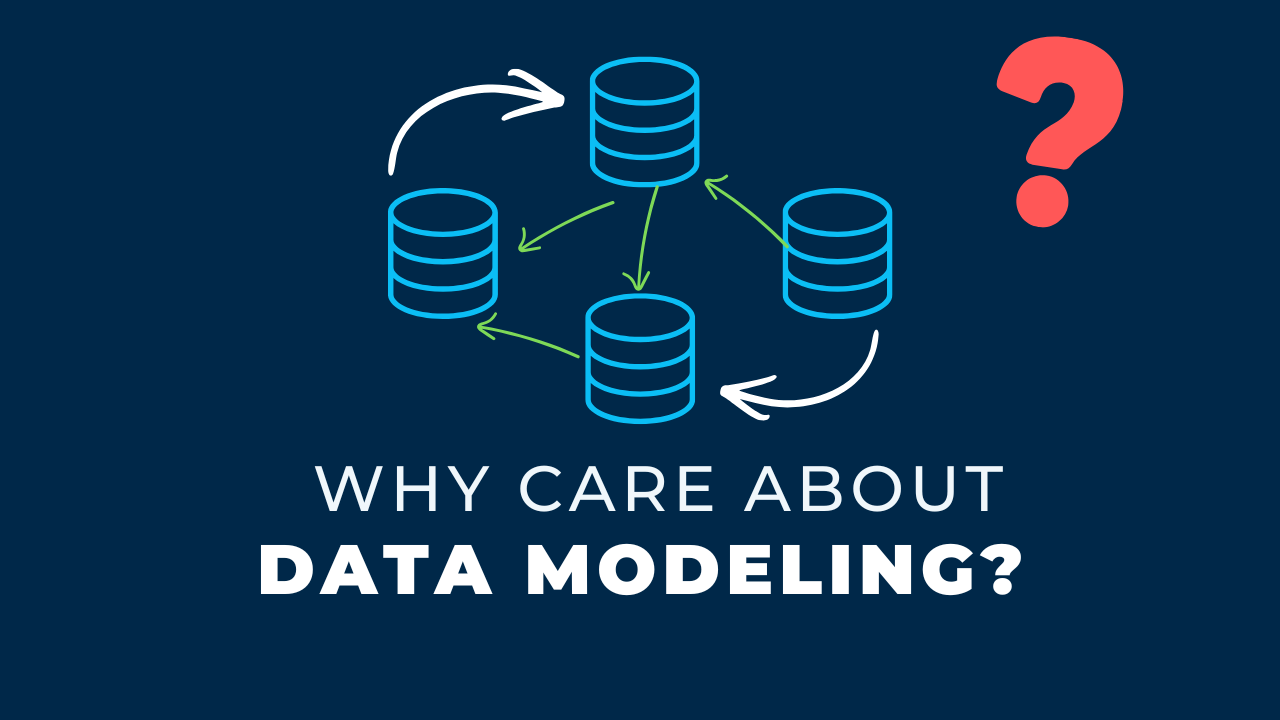
Data modeling gets so much attention because it is where a data team decides three things: how business logic is organized, who controls the definitions, and how easily the warehouse can grow. Without a model, that logic ends up scattered across custom queries, stored procedures and reporting tool joins until the only realistic option is to start over. With one, every table has a defined place and grain, the warehouse reflects the business instead of mirroring each source system, and new sources and new reports slot into a structure that already exists. It takes effort up front and it can feel slower than just getting the report out. It is still worth it, and that is why the topic keeps coming up.
Key takeaways
- The first reason to model is organization. Without a model, business logic lives in a random assortment of queries and reporting tool joins with no consistency, and it gets messier as the team and the request volume grow.
- Committing to a modeling approach, such as facts and dimensions, forces you to think through relationships and granularity instead of racing to finish one report.
- The second reason is control. Your warehouse is the analytics database, not the back end of the application that sent you the data, so you do not have to match the source system's names or structure.
- A source table called
usersthat only holds employee data can becomedim_employees, because that is the word the business uses. - The third reason is scalability. A solid model makes it easy to add a new source, because you already know conceptually where it goes, and easy to build new presentation tables and reports on the other end.
- On one of my first teams, replacing ad hoc stored procedures with a facts and dimensions warehouse turned custom-built reports into a few columns and simple joins, and the old queries were sunset.
Reason 1: Organization
What it looks like without a model
The easiest way to understand why data modeling matters is to look at what happens when it isn't there.
A data model is the deliberate structure you give your warehouse tables: what each table represents, how tables relate to each other, and what one row means.
When a team skips that step, business logic ends up as a random assortment of queries:
- Some of it lives in a reporting tool with a lot of joins and custom SQL.
- Some of it is in a stored procedure someone wrote two years ago.
- None of it has a structure for how the logic is managed, so nothing keeps it consistent.
Why it gets worse as you grow
That is manageable when one person is doing everything. It stops being manageable as soon as things grow.
Add people to the team and more requests, and the logic spreads until the project is messy enough that the only fix is a rebuild from scratch. I've seen that cycle more than once.
What changes with one
A model is a commitment to thinking before building. When you establish a clear model, say facts and dimensions, although it could be another approach, you are doing a few specific things:
- Establishing relationships: how each table connects to the others.
- Establishing granularity: the level of detail one row represents.
- Thinking through how the incoming data fits together, rather than getting through a single report as fast as possible.
The more you commit to a specific modeling approach, the more structured the whole project becomes.
You understand where things are and why they are in a certain place, and you can explain it to somebody else. None of that is possible if you're winging it.
I recognize this takes effort up front. It's still worth it, and it's why the topic gets talked about as much as it does.
Reason 2: Control
Your warehouse is not the source system
The second reason is control over the logic. As developers and data teams, we tend to feel like we are at the mercy of whatever the source system tells us.
A lot of us fall into the trap of thinking the analytics side has to match the source system's names and structure exactly.
It's your analytics database
You don't have to match the source. The analytics side is your place as a data team to structure the data, and that structure should serve the business, reporting and analytics.
You are not the back end of the application that handed you the data. It's not the operating database, it's your analytics database.
Once you see it that way, you can take control of the logic and align it with what the business actually means, rather than what one application happens to call it.
The users to employees example
To be clear, this doesn't mean ignoring the source system. There is some art alongside the science here. What I'm saying is that you can adjust what you see on the source side so the model reflects the business better.
A concrete example: some business application has a table called users. What that application calls a user is, in your company, always referred to as an employee, and the table only contains employee data.
That's a simple opportunity to create a dim_employees dimension, sourced from the users table and named the way the business will look for it.
Relationships and which source wins
The same applies to relationships. You establish the relationships that make sense for your reporting needs, not just the ones that make sense to a single source system.
And since data modeling almost always means combining multiple sources, you have to decide what the logic is and which source takes precedence when they disagree.
Without a clear modeling approach, you have no way to isolate concepts or form those relationships. You get the same lack of organization from the first point, and the two together make a mess.
Eventually that turns into frustration from stakeholders, because everything feels complicated and they aren't getting what they want out of the data.
Reason 3: Scalability
Adding a new source
Both of the first two points lead into the third, which is scalability. When you get to a clear, well structured model, adding a new source becomes a lot easier.
You know, at least directionally and conceptually, where the new data will go. If a table doesn't exist yet, you know how you would approach it, because you're following a methodology instead of inventing an answer each time.
Building new reports
The other end benefits too. When the model is solid, with good granularity and established relationships, building for a new use case becomes simple:
- New presentation tables, the tables shaped for a specific report or tool, are a matter of picking the columns to display.
- New reports grab related information through joins that are already defined.
- Slicing and dicing for a new question is easy because the hard thinking was done when the model was built.
A team that made the switch
Before and after
One of the first teams I was ever on went through exactly this. We had a bunch of ad hoc stored procedures and custom queries feeding reports, and we built a brand new data warehouse from scratch around facts and dimensions.
Reports went from custom builds to simple joins. Before, an engineer was expected to come in and create a custom query from the ground up for each report.
After, those same reports were pulling a few columns and making simple joins against the warehouse tables.
What the investment bought
That was the result of the company investing in redesigning the data architecture so the team could build more, faster.
We were able to sunset a lot of the outdated, complex queries and replace them with the warehouse tables. Every future report and piece of logic was built on the new model.
That is what we're striving for when we talk about data modeling, and it is why the subject will continue to matter for anyone working in data.
Key terms
Data model
The deliberate structure of a warehouse: what each table represents, how tables relate to each other, and what one row in each table means.
Fact table
A table that records a business event or action, such as an order or a payment, with numeric measures and keys to the dimensions that describe it.
Dimension table
A table that holds descriptive context for facts, such as the employee, product or date involved. Often prefixed dim_.
Granularity
The level of detail one row represents in a table, for example one row per order versus one row per order line item.
Business logic
The rules that turn raw data into something the business recognizes: definitions, calculations, which source wins when two disagree.
Common questions
Why is data modeling important?
It keeps business logic organized in one place instead of scattered across queries and reporting tools, it lets the data team control definitions rather than mirroring each source system, and it makes adding new sources and reports much easier. Each of those gets more valuable as the team and the request volume grow.
Should warehouse tables match the source system's names?
Not necessarily. The warehouse is the analytics database, and its names should reflect what the business calls things. If a source table named users only contains employees, name the dimension dim_employees. Keep the source name in your documentation and staging layer so the lineage is clear.
Is data modeling still relevant with modern tools?
Yes. Cheaper compute and better tooling change how you build a model, not whether you need one. The problems a model solves, inconsistent logic, no control over definitions, difficulty adding new sources, show up regardless of the tool.
When should a small team start modeling?
Earlier than feels necessary. The cost of modeling is highest when you rebuild a messy project, so the best time is before the logic has spread into multiple reports and stored procedures. Even a few well defined fact and dimension tables give you a structure to extend.
Does data modeling slow delivery down?
It adds time to the first few tables and saves time on every table after that. The team in the story above went from custom queries for every report to a few columns and simple joins, which is faster delivery, not slower.
Related reading
- The Struggle of Data Modeling (Facts vs Dimensions)
- The 4 Types of Dimensions
- The 3 Types of Facts
- Data Modeling in the Modern Stack
Final takeaway
These three reasons are the case I make at the start of nearly every engagement with a small data team, because the teams that are struggling almost always have logic spread across queries and reports with no model underneath. The rebuild story is from early in my career, and I've watched the same pattern play out on client projects since.
Additional Free Resources
Starter Guides & Checklists
Explore additional free resources built on the same patterns I use with real clients so you can build your own with structure and confidence. Topics include data architecture, modeling and more specifically for small data teams.