Data Team Stakeholders: Friend or Foe?
May 20, 2026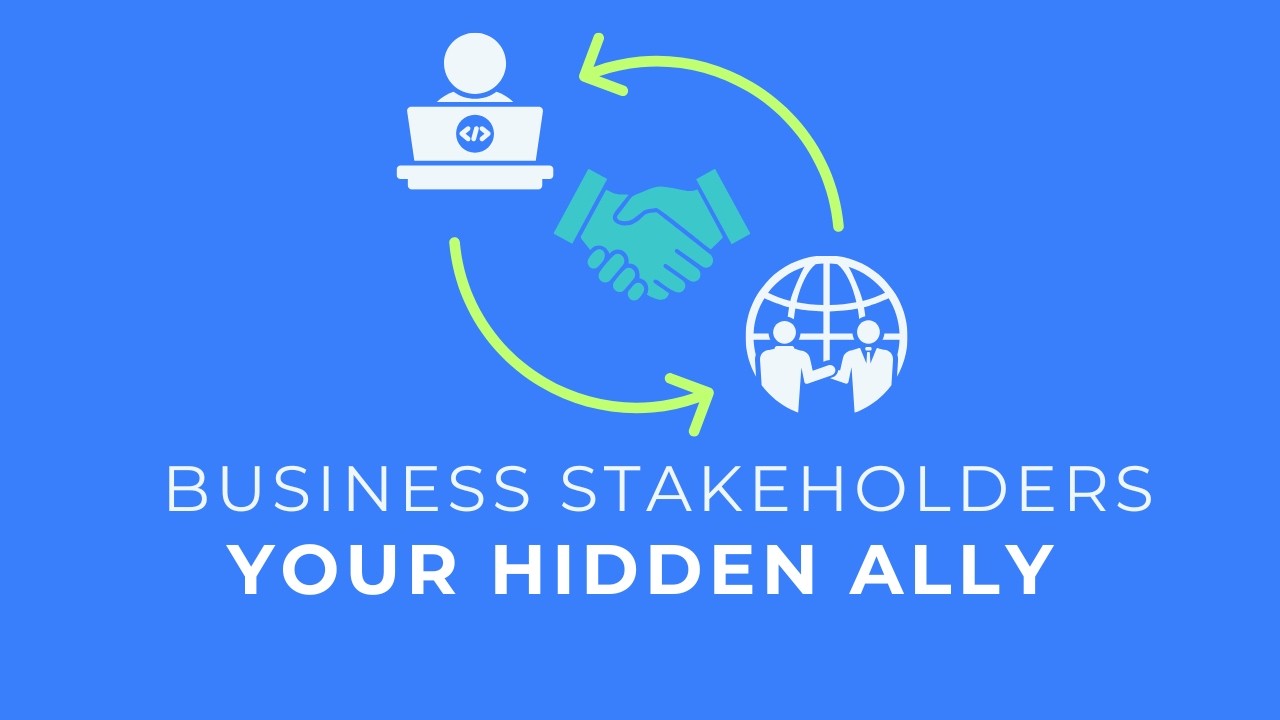
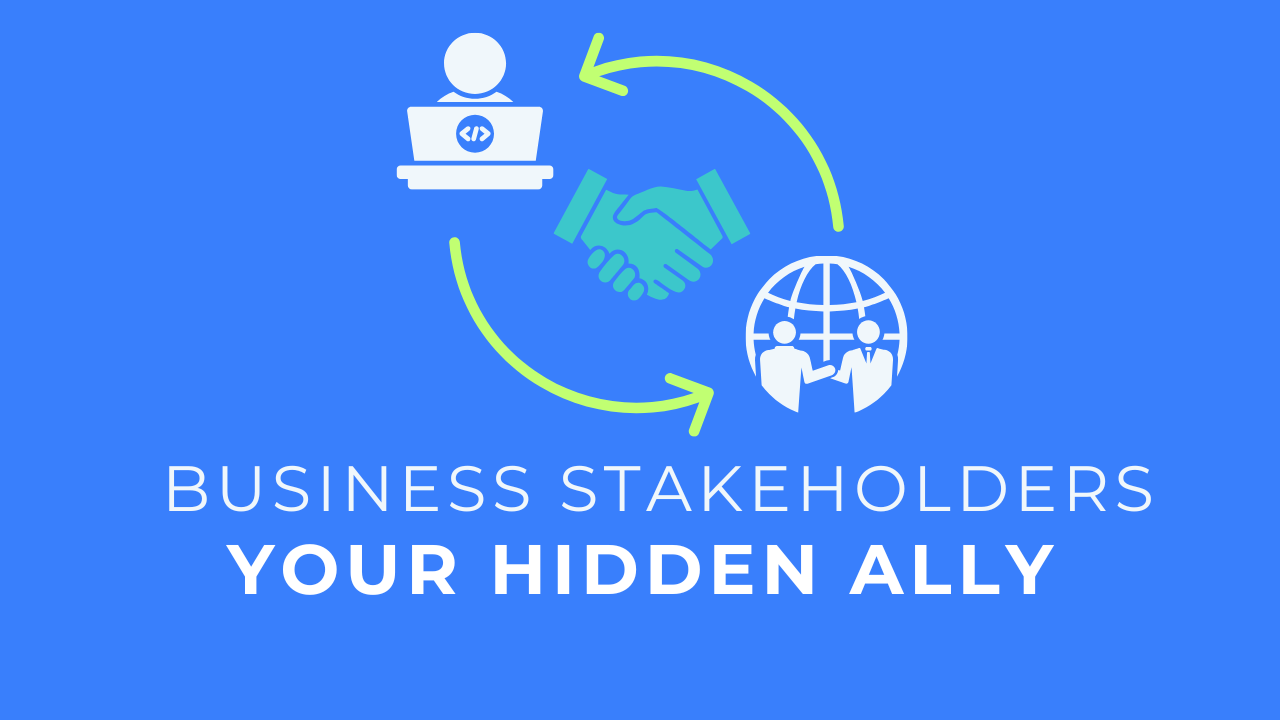
Most of us got into data engineering for the technical work, not for meetings. But we serve a business, which means we have internal stakeholders, and they end up as either the biggest source of friction in the job or the most useful allies you have. The deciding factor is almost entirely your approach, not theirs. The reframe that works is to treat every stakeholder as a customer of your data team, because that is effectively what they are. Do that and you solve problems faster, see real impact from your work, and build relationships that follow you to your next role.
Key takeaways
- Stakeholders go one of two ways: friction, politics and passive aggression, or an ally who makes your work faster and more visible. Your approach decides which.
- Every data team is a small business and its stakeholders are its customers. You would not ignore a customer, so do not ignore them.
- Business users know the source systems better than you do. They use those tools every day, and you only see the tables underneath.
- They also know the edge cases. Data that looks wrong to you is often correct and intentional, and they can tell you which.
- A good relationship saves a small team real hours. One conversation can replace a day of guessing at logic.
- Technical people carry a reputation for being difficult. That makes the bar low, so being open and proactive stands out immediately.
The relationship goes one of two ways
An internal stakeholder is anyone inside the company who depends on what your data team produces. Sales, operations, finance, the executive team.
That relationship lands in one of two places.
- Friction. Passive aggression, internal politics, requests that arrive as complaints. In some organizations you will never fully escape this.
- Alliance. People who answer your questions, test your output and advocate for your team's work in rooms you are not in.
When you have people in the second category, you move faster, you get more fulfillment out of delivering, and you open up opportunity both at your current company and later.
Treat your stakeholders like customers
Every data team is a small business, and the stakeholders are its customers. You deliver a product: reports, data feeds, metrics, pipelines.
This may be business 101, but it changes how the whole thing feels. You are partners, not opposing departments.
The test to run when things get tense
Say a stakeholder is being difficult about a report you built. Ask yourself how you would react if they were a paying customer.
Would you ignore them? Would you be passive aggressive about the request? Or would you try to support them and give them the best product you can?
Internal politics and being difficult do not help anybody. Sometimes you cannot avoid it, but you should not be the one starting it.
Your stakeholders are more data savvy than you think
Business users today are far more capable than they were 10 or 15 years ago. Concepts that used to be a black box are now well understood outside the data team.
Plenty of them write SQL and query the warehouse directly, which is more common now than ever. Even the ones who do not bring things to the table that make you more efficient.
They know the source systems
The systems you ingest from are the tools they live in all day. They know those systems as well as you do, and usually better.
They know the real use cases and what a field is actually supposed to mean to the business. We mostly build what people ask for, but what matters is whether the result is useful.
They are the ones who can tell you whether it is. You would want that feedback from a customer, and this is the same thing.
Do not guess at that. Go ask the people using it.
They know the edge cases
An edge case is the record that does not follow the normal pattern: the backdated order, the manual adjustment, the account that exists for one odd reason.
We work in SQL, where things look black and white. Data that looks wrong to you is often correct and the business wants to see it.
You might assume something should be excluded when they need it visible. They are reacting to those rows and adjusting on their end.
Even when they have not seen it before, showing them the data gets you a business interpretation of why it should or should not be included.
Why the ally relationship is worth the effort
This pays off in ways that are not always obvious up front. Three of them stand out.
1. You solve problems faster
This is the most direct one. A stakeholder who knows the business concepts inside and out can point you at what to look for and what to ignore.
That beats being hard-headed and figuring it all out from the data alone. On a small team especially, that time is worth a lot.
A lot of this comes down to ego. We see the data, so we assume we know the answer. Sometimes they know something the data is not telling you.
Be respectful of their time, come with an open mind, and frame it around a shared goal.
2. The work gets more fulfilling
At one of my first companies we had a stakeholder on the business operations team who was unusually good at testing data results and reports.
He caught trends and slipping numbers quickly and kept us on the right path. It never felt like we were working against each other.
He eventually joined the data team, which was great, but it also meant losing the person on the business side who had been watching out for us.
He was our best stakeholder, and that is exactly why his team got our best work. When you see the real impact of what you build, it stops feeling like building for the sake of it.
The impact shows up in concrete places:
- New revenue. A rep closes a deal because the pipeline report finally reflected reality.
- Better decisions. An analysis makes it to the top of the company and changes something.
- Better customer experience. Especially at small companies, where you can watch it happen in real time.
You see none of that from inside a black box. Get out of the shell and go look at it.
3. It opens career doors
This one is about you more than the team. Never burn a bridge, because you do not know how a relationship plays out.
I have watched someone leave on the business side, land at a new company, and bring along the data person they trusted. Sometimes to start a new team from scratch.
Do good work, be trustworthy, and those relationships pay off in ways you cannot plan for.
The stereotype, and why it helps you
There is an uncomfortable reality here. Fair or not, a lot of business people expect technical staff to have big egos and be difficult to work with.
It is a real reputation in a lot of organizations, and sometimes it is accurate.
The upside is that the bar is low. If that is the expectation, then being proactive, open and collaborative makes you stand out almost immediately.
It reads as a breath of fresh air to people who were not expecting it, and it costs you nothing but a few conversations.
Nobody is perfect
There is always somebody more technical than you. That can be intimidating when you are new, or when you join an unfamiliar architecture.
This is one of the other ways to be valuable while you get up to speed.
Teamwork beats raw skill
You still want real skills and you should keep improving them. But you can be effective right now by working well with people and showing them you care.
You do not need every answer immediately. You need to find it, or find someone who can.
The collaborative approach is what makes you a better engineer, a better contributor and a better lead. It also makes the work itself more enjoyable.
Key terms
Internal stakeholder
Anyone inside the company who depends on what the data team produces, such as sales, operations, finance or the executive team.
Customer reframe
Treating the data team as a small business and its stakeholders as paying customers, so requests get handled the way a customer request would be.
Edge case
A record that does not follow the normal pattern and often looks like bad data until a business user explains why it is correct.
Source system
The operational tool the data is ingested from, which the stakeholder uses daily and usually understands better than the data team does.
Ally
A stakeholder who answers your questions, tests your output and advocates for the data team's work in rooms you are not in.
Common questions
How do I build a relationship with a difficult stakeholder?
Start by treating the request the way you would treat a customer complaint rather than an attack. Ask what outcome they need, not just what change they want. Most friction comes from people feeling unheard, and a single conversation about their actual job often resets the tone.
Should stakeholders have direct access to the data warehouse?
Many of them can handle it, and more business users write SQL now than ever. The usual approach is to give them a curated presentation layer rather than the raw model, so they get self-serve access without inheriting every internal detail.
What if a stakeholder says the data is wrong and it is not?
Show them the rows and ask how the business reads them. Often what looks like a defect is an edge case they understand and you do not. If it really is correct, walking through it together builds more trust than simply saying so.
How much time should a data engineer spend with stakeholders?
Less than you think, if it is the right time. One focused conversation before you build can replace a day of guessing at logic. The expensive pattern is building in isolation and discovering the requirement was wrong after delivery.
Is stakeholder work really part of a data engineer's job?
On a small team, yes. There is no analyst layer between you and the business, so requirements, edge cases and feedback all come to you directly. Treating that as part of the role rather than an interruption is what makes small teams effective.
Related reading
- The Stakeholder Dilemma for Data Teams
- What Every Data Team Lead Should Know
- The Gift and Curse of Small Data Teams
- What's the Value of Analytics?
Final takeaway
The small data teams I work with that run well all have at least one stakeholder who tests their output and tells them the truth about it. Attitude and approach are a genuine edge, and they cost nothing to adopt. Find the allies, build the trust, and the rest of the work gets easier.
Additional Free Resources
Starter Guides & Checklists
Explore additional free resources built on the same patterns I use with real clients so you can build your own with structure and confidence. Topics include data architecture, modeling and more specifically for small data teams.